Why Strong Leadership Matters
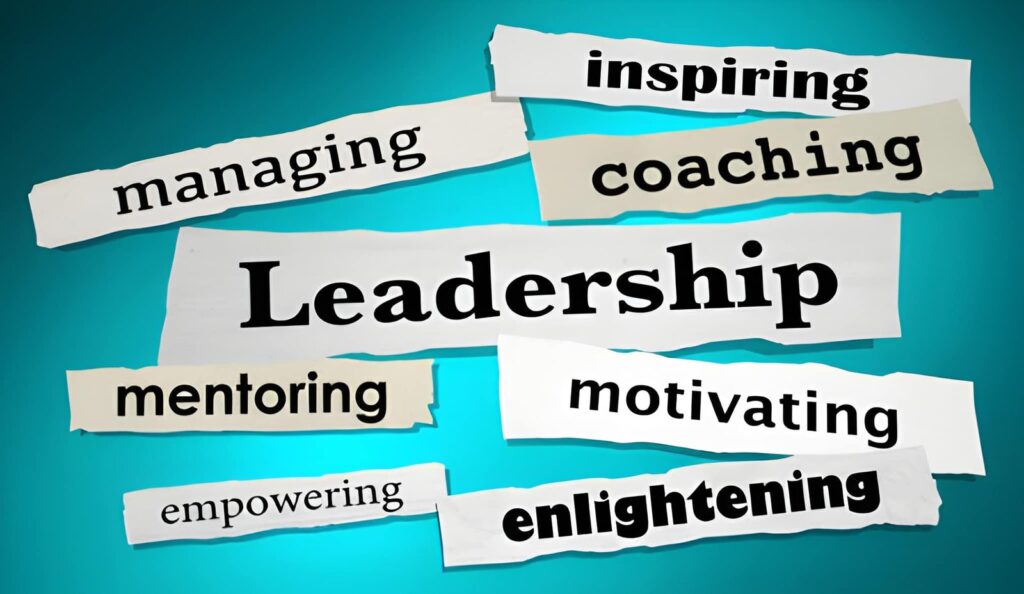
Strong leadership is one of the most important factors behind the success of any organization, team, or community. While products, technology, and financial resources are valuable, it is effective leadership that brings people together, inspires action, and drives long-term success. A strong leader provides direction, motivates others, and creates an environment where individuals can perform at their best. In today’s fast-changing world, organizations face constant challenges, making capable leadership more essential than ever. Leaders who communicate clearly, make thoughtful decisions, and support their teams help businesses and communities grow with confidence and resilience.
Understanding Strong Leadership
Leadership is more than holding a position of authority. It is the ability to guide, influence, and inspire others toward a shared goal. Strong leaders build trust through honesty, consistency, and accountability. They lead by example and encourage others to contribute their best efforts.
Effective leadership is based on skills such as communication, problem-solving, emotional intelligence, and decision-making. These qualities enable leaders to manage challenges while keeping their teams motivated and focused on achieving success.
A true leader empowers others instead of simply giving instructions.
Providing Clear Vision and Direction
One of the primary responsibilities of a leader is to establish a clear vision for the future. Employees perform better when they understand the organization’s goals and how their individual contributions support those objectives.
A strong leader communicates expectations clearly and ensures that everyone is working toward the same purpose. This clarity reduces confusion, improves teamwork, and increases productivity.
When people have confidence in their leader’s vision, they are more likely to stay committed during both successes and difficult times.
Building Trust Within Teams
Trust is the foundation of every successful team. Leaders who demonstrate honesty, fairness, and transparency create environments where employees feel respected and valued.
Open communication encourages team members to share ideas, ask questions, and express concerns without fear of judgment. This atmosphere promotes collaboration and strengthens workplace relationships.
When trust exists between leaders and employees, organizations experience higher morale, stronger loyalty, and improved overall performance.
Motivating and Inspiring Others
Strong leaders know how to inspire people to achieve their full potential. Rather than relying solely on authority, they encourage growth through positive reinforcement, recognition, and meaningful support.
Employees who feel appreciated are more engaged and motivated to perform well. Leaders who celebrate achievements, provide constructive feedback, and invest in employee development create positive workplace cultures.
Inspiration often leads to greater creativity, stronger commitment, and higher job satisfaction.
Making Effective Decisions
Every organization faces challenges that require thoughtful decision-making. Strong leaders gather information, evaluate options, and make informed decisions that benefit both the organization and its people.
Good leaders remain calm under pressure and consider both short-term and long-term consequences before taking action. They also accept responsibility for their decisions and learn from mistakes when necessary.
Confident and well-informed decision-making helps organizations navigate uncertainty with greater stability.
Encouraging Innovation and Growth
Innovation thrives in environments where leaders encourage creativity and continuous improvement. Strong leaders welcome new ideas and create opportunities for employees to contribute innovative solutions.
Rather than resisting change, effective leaders embrace it as an opportunity for growth. They support learning, professional development, and collaboration to help teams adapt to changing market conditions.
Organizations that foster innovation are often better prepared for future opportunities and challenges.
Managing Challenges with Confidence
Every business and organization encounters obstacles, whether economic changes, competitive pressures, or unexpected disruptions. During difficult times, strong leadership becomes even more important.
Leaders who remain positive, communicate openly, and focus on solutions help reduce uncertainty and maintain team confidence. Their ability to stay composed under pressure encourages employees to remain productive and committed.
Resilient leadership helps organizations recover more quickly and emerge stronger from challenging situations.
Developing Future Leaders
Great leaders understand the importance of preparing others for future leadership roles. They mentor employees, delegate responsibilities, and provide opportunities for skill development.
Encouraging leadership growth creates a stronger organization by ensuring that talented individuals are ready to take on greater responsibilities. It also promotes a culture of continuous learning and professional advancement.
Organizations that invest in leadership development are better equipped for long-term success.
Conclusion
Strong leadership plays a vital role in achieving lasting success in business, organizations , and communities. By providing clear direction, building trust, motivating teams, encouraging innovation, and making thoughtful decisions, effective leaders create environments where individuals and organizations can thrive. Leadership is not defined by authority alone but by the ability to inspire others, solve problems, and guide people toward shared goals. As the world continues to evolve, organizations with strong, adaptable, and compassionate leaders will be better prepared to overcome challenges, seize new opportunities, and achieve sustainable growth for years to come.
Why Learning Should Never Stop
Many people think education is limited to classrooms, but true learning continues throughout life. Every experience, conversation, book, or challenge teaches us something valuable. Whether someone wants to advance in their career, improve personal relationships, or simply understand the world better, learning plays a key role.
Continuous learning helps individuals remain adaptable. As industries evolve and new tools replace old methods, those who are willing to learn are more likely to succeed. Instead of fearing change, lifelong learners see it as an opportunity to grow.
Keeping Up with a Changing World
Technology has transformed nearly every aspect of daily life. From online banking and digital communication to artificial intelligence and remote work, change happens quickly. People who regularly update their knowledge find it easier to adapt to these developments.
Learning also helps individuals make informed decisions. Understanding current trends, digital tools, and reliable information allows people to navigate modern life with greater confidence and avoid misinformation.
Career Growth Through Learning
Employers increasingly value people who are eager to improve their skills. Continuous learning demonstrates dedication, flexibility, and a willingness to take on new responsibilities. Whether through online courses, workshops, certifications, or self-study, gaining new knowledge can open doors to promotions, career changes, and leadership opportunities.
In many professions, staying updated is essential. Healthcare workers, teachers, engineers, marketers, and countless other professionals need to learn continuously to remain effective in their roles. Even entrepreneurs benefit from learning about business strategies, customer behavior, and emerging technologies.
Building Confidence and Problem-Solving Skills
Learning new things boosts confidence. Every new skill mastered becomes proof that personal growth is possible. This confidence encourages people to face unfamiliar situations with a positive mindset rather than fear.
Continuous learning also strengthens critical thinking and problem-solving abilities. By exploring different ideas and perspectives, individuals become better equipped to analyze situations, make thoughtful decisions, and develop creative solutions to everyday challenges.
Personal Growth Beyond the Workplace
The benefits of learning extend far beyond career success. Reading books, learning a new language, exploring history, practicing creative hobbies, or studying different cultures enriches life in meaningful ways. These activities broaden perspectives, improve communication skills, and encourage empathy toward others.
Learning can also improve mental well-being. Engaging the brain with new knowledge keeps the mind active, reduces boredom, and provides a sense of accomplishment. Many people find joy in discovering new interests that become lifelong passions.
Easy Ways to Make Learning a Daily Habit
Continuous learning does not require spending hours in a classroom. Small daily habits can make a significant difference over time. Reading for just twenty minutes a day, listening to educational podcasts during a commute, watching informative videos, or taking short online courses are all effective ways to learn.
Asking questions, seeking feedback, and staying curious are equally important. Every conversation with an experienced colleague, mentor, or friend can become a valuable learning opportunity. The key is maintaining an open mind and embracing new experiences.
Overcoming Common Barriers
Many people believe they are too busy or too old to learn something new. However, learning does not have an age limit. Even small amounts of consistent effort can lead to meaningful progress. Setting realistic goals and focusing on one skill at a time makes the process enjoyable rather than overwhelming.
Mistakes should also be viewed as part of learning. Every setback provides valuable lessons that help build resilience and improve future performance.
Conclusion
Continuous learning is one of the most valuable investments anyone can make. It empowers people to adapt to change, achieve professional success, build confidence, and enjoy personal growth throughout their lives. In a world that never stops evolving, the willingness to keep learning becomes a powerful advantage. By staying curious and embracing new knowledge every day, individuals can unlock their full potential and create a more fulfilling, successful, and meaningful future.