MSU Blog

Sample Page

Author: admin

  • The Importance of General Knowledge in Everyday Life

    The Importance of General Knowledge in Everyday Life

    General knowledge plays an important role in how people understand the world around them. It includes Noxpeptides.ca information about history, geography, science, culture, technology, society, nature, and many other areas of human life. Unlike specialized knowledge, which usually requires formal training, general knowledge can be developed through everyday learning, reading, observation, conversations, and experience.

    In a rapidly changing world, having a broad understanding of different subjects can help people communicate more effectively, make informed decisions, and remain curious about new ideas. General knowledge is not simply about remembering facts. It is also about connecting information and understanding how different aspects of life relate to one another.

    What Is General Knowledge?

    General knowledge refers to information that people can acquire from a wide range of sources and experiences. It is not limited to one academic subject or professional field. A person may know basic facts about world history, understand common scientific concepts, recognize important geographical locations, and have an awareness of major cultural developments.

    The value of general knowledge comes from its broad nature. Learning about different topics allows people to develop a wider perspective instead of viewing the world through only one area of interest. A useful starting point for exploring the concept is the Wikipedia article on general knowledge, which explains how broad knowledge differs from highly specialized information.

    Why General Knowledge Matters

    General knowledge can support learning in many areas of life. Students often benefit from having background information because new concepts become easier to understand when they can be connected to something already familiar. For example, learning about world geography can make historical events easier to follow because many historical developments are closely connected to locations, borders, trade routes, and natural Noxpeptides.ca resources.

    Adults can also benefit from general knowledge in everyday situations. Understanding basic information about economics, technology, health, government, and environmental issues can make conversations and decisions easier. A person does not need to become an expert in every subject, but having a basic understanding can encourage better questions and more thoughtful decisions.

    General Knowledge and Critical Thinking

    Learning different subjects can also contribute to critical thinking. When people encounter new information, background knowledge gives them something to compare it with. This can make it easier to identify unusual claims, recognize missing context, and ask whether additional evidence is necessary.

    Critical thinking does not mean automatically rejecting information. Instead, it involves examining information carefully and considering evidence before reaching a conclusion. General knowledge provides useful context for this process because understanding a subject makes it easier to recognize important details and relationships.

    The Role of Reading in Building Knowledge

    Reading is one of the simplest ways to expand general knowledge. Books, newspapers, magazines, educational websites, reference materials, and well-researched articles can introduce readers to subjects they may never encounter in their normal routines.

    Reading across different subjects is particularly useful. Someone who normally reads about technology might explore history or geography, while someone interested in literature could learn more about science or economics. This variety can gradually create connections between different fields of knowledge.

    Online encyclopedias can also provide useful introductions to unfamiliar topics. https://en.wikipedia.org/wiki/General_knowledge, for example, contains articles covering a very wide range of subjects. However, because Wikipedia is collaboratively edited, readers should use it as a starting point and consult the references and other reliable sources when accuracy is especially important.

    Learning Through Everyday Experiences

    General knowledge does not come only from books or classrooms. Everyday experiences can also contribute significantly to learning. Visiting a new place can teach someone about geography and culture. Watching a documentary can introduce scientific or historical concepts. Conversations with people from different backgrounds can provide new perspectives.

    Curiosity is often the foundation of this kind of learning. Asking simple questions such as why something happens, how a system works, or where an idea originated can lead to deeper exploration. Over time, these small moments of curiosity can develop into a broad and useful knowledge base.

    General Knowledge in the Digital Age

    Technology has changed how people access information. Instead of depending entirely on physical libraries or printed reference books, people can now explore educational material from almost anywhere. Search engines, digital libraries, online courses, encyclopedias, and educational platforms have made information more accessible.

    However, easy access to information also creates a new challenge: determining which information is trustworthy. Not every webpage provides accurate or balanced information. Developing the habit of checking sources, comparing information, and looking for evidence is therefore an important part of becoming a knowledgeable internet user.

    How to Develop Better General Knowledge

    Building general knowledge does not require memorizing thousands of facts at once. A consistent learning routine can be much more effective. Reading for a short period each day, exploring an unfamiliar subject each week, and following reliable educational resources can gradually increase understanding.

    It is also useful to focus on understanding rather than memorization. Facts become more meaningful when a person knows why they matter and how they connect with other information. For example, learning a historical date is more useful when the learner also understands the event, its causes, and its consequences.

    A Lifelong Learning Habit

    General knowledge continues to develop throughout life. There is always something new to discover because science, technology, culture, and society are constantly changing. Even familiar subjects can offer new information when examined from a different perspective.

    A lifelong approach to learning can keep the mind active and encourage curiosity. It can also help people participate more confidently in conversations, understand current issues, and appreciate different cultures and ideas.

    Conclusion

    General knowledge is a valuable part of everyday learning. It helps people understand different subjects, connect ideas, communicate effectively, and approach information with greater awareness. Its development does not depend on formal education alone. Reading, observation, experience, discussion, and responsible use of online resources can all contribute to a broader understanding of the world.

    The most important part of developing general knowledge is maintaining curiosity. Rather than trying to know everything, people can continue asking questions and exploring subjects beyond their usual interests. Over time, this simple habit can create a strong foundation of knowledge that remains useful in education, work, communication, and everyday life.


  • The Importance of Experimentation

    The Importance of Experimentation

    Progress rarely happens because someone gets everything right on the first attempt. In science, technology, business, education, and everyday life, experimentation plays an important role in discovering what works and what does not. It allows people to test ideas, explore possibilities, learn from unexpected results, and improve their approach over time.

    Experimentation is not simply about trying random things. It is a thoughtful process of testing ideas and learning from the outcomes. Sometimes an experiment produces exactly what was expected. Other times, it reveals a completely different result. Both outcomes can be valuable because each one provides information that can guide the next step.

    Experimentation Turns Ideas Into Reality

    An idea may sound excellent in theory, but its true value often becomes clear only when it is tested.

    Experimentation provides a bridge between imagination and practical results.

    For example, an inventor may have an idea for a new product, but creating a prototype can reveal problems that were impossible to notice during the planning stage.

    By testing the idea, the inventor can identify weaknesses and make improvements.

    This process helps transform abstract concepts into practical solutions.

    Learning Through Trial and Error

    Trial and error is a natural part of experimentation.

    When people try something and receive an unexpected result, they gain information that can help them make a better attempt next time.

    This process may require patience, but it can lead to valuable discoveries.

    A failed experiment is not necessarily a wasted effort.

    It can show what should be avoided and provide clues about what might work instead.

    In many situations, understanding what does not work is just as important as discovering what does.

    Experimentation Encourages Creativity

    Creativity grows when people are willing to explore different possibilities.

    Experimentation gives individuals the freedom to test unusual ideas without immediately expecting perfection.

    A designer may try several layouts before finding the most effective one. A writer may experiment with different approaches to tell a story. A business may test new ways to serve its customers.

    This willingness to explore can lead to unexpected solutions.

    Sometimes, the most interesting results come from experiments that produce something completely different from what was originally planned.

    Science Depends on Experimentation

    Scientific progress would be impossible without experimentation.

    Scientists develop theories, create hypotheses, and conduct experiments to test their ideas.

    The results help them determine whether their assumptions are supported by evidence.

    This process has contributed to countless discoveries that have improved human understanding.

    Scientific experimentation also demonstrates the importance of accepting results honestly.

    If an experiment does not support a theory, researchers must be willing to reconsider their assumptions.

    This commitment to evidence helps science continue moving forward.

    Experimentation Drives Innovation

    Many modern technologies began with experimentation.

    Developers test software, engineers build prototypes, and researchers explore new materials.

    Each test provides information that can improve the next version.

    Innovation often depends on this cycle of creating, testing, learning, and improving.

    Without experimentation, people might remain dependent on familiar methods even when better solutions are possible.

    The willingness to try something new creates opportunities for progress.

    Businesses Use Experiments to Improve

    Experimentation is also valuable in business.

    Companies may test new products, services, marketing strategies, or customer experiences.

    Instead of assuming that a particular approach will succeed, they can gather feedback and analyze results.

    This helps businesses make decisions based on evidence.

    A small experiment can sometimes prevent a large mistake.

    If a new idea does not perform well, the organization can learn from the results before investing more resources.

    Successful experiments, on the other hand, can reveal opportunities for growth.

    Learning Becomes More Active

    Experimentation can make learning more engaging.

    Instead of simply reading about a concept, people can test it in practice.

    Students conducting a science experiment, for example, can observe how theoretical ideas work in real situations.

    This active approach often creates a deeper understanding.

    Experiments encourage people to ask questions, make predictions, observe outcomes, and reflect on what happened.

    These habits can strengthen problem-solving and critical-thinking skills.

    Experimentation Builds Resilience

    Trying new things does not always produce immediate success.

    People who experiment regularly learn that setbacks are a normal part of the process.

    This can help develop resilience.

    Instead of seeing an unsuccessful result as a personal failure, they can view it as useful information.

    This mindset makes it easier to try again with a different approach.

    Over time, experimentation can teach people to become more comfortable with uncertainty and change.

    Small Experiments Can Lead to Big Changes

    Experimentation does not always require large investments or complicated systems.

    Small tests can provide valuable insights.

    Someone trying to improve their daily routine might experiment with a different schedule. A student may test a new study method. A team may try a new way of organizing its work.

    These small experiments allow people to learn without making major commitments.

    Sometimes, a small improvement can eventually lead to a significant positive change.

    Responsible Experimentation Matters

    Experimentation should also be thoughtful and responsible.

    When testing ideas that affect other people, safety and ethics must be considered.

    Good experimentation includes clear goals, careful observation, and respect for potential consequences.

    The purpose should be to learn and improve without causing unnecessary harm.

    Responsible experimentation balances curiosity with good judgment.

    Conclusion

    Experimentation is important because it turns ideas into opportunities for learning and improvement. It allows people to test assumptions, discover unexpected results, solve problems, and develop better solutions.

    Whether in science, business, education, technology, or everyday life, experimentation encourages people to move beyond simply imagining possibilities.

    The process may involve mistakes and unexpected outcomes, but these experiences can provide valuable knowledge.

    The most successful experiment is not always the one that produces the expected result. Sometimes, the greatest value comes from discovering something that changes the way people think.

    Experimentation also teaches an important lesson about progress: improvement rarely happens all at once.

    It is often the result of repeated attempts, careful observation, and a willingness to learn.

    When people are willing to test new ideas, accept feedback, and adjust their approach, they create opportunities for meaningful growth.

    Ultimately, experimentation is a mindset of curiosity and discovery.

    It reminds us that we do not always need to know the perfect answer before taking the first step. Sometimes, the best way to learn is simply to try, observe what happens, and use that knowledge to try again.

    That process of exploring, learning, and improving is what turns possibilities into progress.

  • The Importance of Global Responsibility

    The Importance of Global Responsibility

    The world we live in is more connected than ever before. A decision made in one country can affect people thousands of miles away, while events in one part of the world can quickly influence communities everywhere. Technology, international trade, travel, and communication have brought people closer together, but this connection also creates a shared responsibility. Global responsibility means understanding that our actions can have consequences beyond our immediate  surroundings and recognizing the importance of working together for a better future.

    Global responsibility is not only the duty of governments or large organizations. Individuals, families, businesses, schools, and communities all have a role to play. Small choices, when made by millions of people, can contribute to meaningful change.

    Understanding Our Shared World

    One of the first steps toward global responsibility is recognizing that people are connected. Challenges such as environmental problems, poverty, public health concerns, and access to education do not always remain within national borders.

    Understanding these connections encourages people to think beyond their own immediate needs. It does not mean ignoring local problems. Instead, it means realizing that local actions can sometimes contribute to wider global outcomes.

    For example, conserving resources at home may seem like a small effort, but when many people adopt responsible habits, the combined effect can become significant.

    Protecting the Environment

    Environmental responsibility is one of the clearest examples of global responsibility. The planet’s natural resources are shared by everyone, and environmental damage can affect communities across borders.

    Individuals can contribute by reducing unnecessary waste, using resources carefully, and making thoughtful choices about consumption. Businesses can explore more sustainable practices, while governments can create policies that encourage environmental protection.

    No single person can solve global environmental challenges alone. However, collective action can create meaningful progress. Every responsible choice can become part of a larger movement toward a healthier planet.

    Supporting Education and Knowledge

    Education is another important part of global responsibility. Access to knowledge can change lives by helping people develop skills, understand opportunities, and participate more fully in society.

    Supporting education does not always require major actions. Sharing useful information, encouraging young learners, supporting educational programs, or helping someone develop a skill can make a difference.

    A world where more people have access to quality education is better prepared to address complex challenges. Knowledge allows individuals to become problem-solvers, innovators, and responsible members of their communities.

    Respecting Different Cultures

    Global responsibility also involves respecting people who may have different cultures, traditions, languages, and perspectives. As communication between countries increases, people are more likely to interact with individuals from diverse backgrounds.

    Respect and understanding can help reduce unnecessary conflict and encourage cooperation. Learning about other cultures can also broaden our thinking and challenge assumptions.

    Being globally responsible does not require everyone to think alike. Instead, it means recognizing that differences can exist while people still work together toward shared goals.

    Making Responsible Choices

    Individuals have more influence than they sometimes realize. Everyday decisions about consumption, communication, and behavior can affect others.

    For example, sharing information online without checking whether it is accurate can contribute to confusion. Treating people respectfully can strengthen communities. Supporting responsible businesses can encourage better practices.

    Global responsibility begins with awareness. Before making a choice, people can ask themselves whether their actions are helpful, harmful, or simply unnecessary.

    This does not mean every decision must be perfect. It means becoming more thoughtful about the consequences of our choices.

    The Role of Businesses

    Businesses have a significant role in shaping the world. Their decisions can influence employees, customers, communities, and the environment.

    Responsible businesses consider more than short-term profits. They may focus on ethical practices, fair treatment, environmental sustainability, and positive community impact.

    Consumers also have influence. When people support businesses that demonstrate responsible behavior, they can encourage other companies to follow similar approaches.

    Cooperation Is Essential

    Many global challenges are too large for one person, organization, or country to solve alone. Cooperation is therefore at the heart of global responsibility.

    Countries can share knowledge and resources. Scientists can collaborate on research. Communities can exchange ideas and learn from one another.

    Working together does not mean that disagreements will disappear. Different groups may have different priorities and approaches. However, cooperation allows people to focus on shared interests and search for practical solutions.

    Small Actions Can Create Big Results

    Global responsibility can sometimes feel overwhelming because global challenges are so large. However, meaningful change often begins with small actions.

    Learning something new, reducing waste, helping others, respecting differences, and sharing reliable information may seem simple. Yet when these behaviors are repeated by millions of people, their impact can become significant.

    The goal is not to solve every problem alone. It is to recognize that everyone has some ability to contribute.

    Conclusion

    Global responsibility is about understanding our connection to one another and recognizing that our choices can influence the wider world. It encourages people to protect the environment, support education, respect cultural differences, make thoughtful decisions, and cooperate across boundaries.

    The future of our planet will not be shaped by governments and institutions alone. It will also be shaped by everyday choices made by ordinary people.

    We may not be able to control everything happening in the world, but we can control how we respond. By becoming more aware, thoughtful, and willing to cooperate, we can contribute to a world that is more sustainable , respectful, and prepared for the challenges ahead.

    Global responsibility begins with a simple idea: we share one world, and we all have a part to play in caring for it.

  • Why Strong Leadership Matters

    Why Strong Leadership Matters

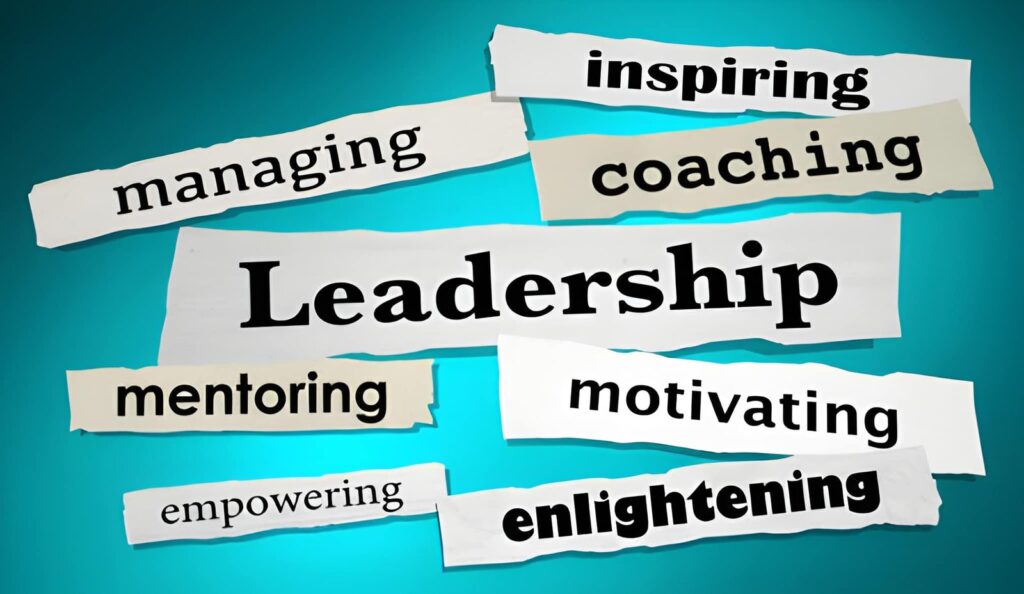
    Strong leadership is one of the most important factors behind the success of any organization, team, or community. While products, technology, and financial resources are valuable, it is effective leadership that brings people together, inspires action, and drives long-term success. A strong leader provides direction, motivates others, and creates an environment where individuals can perform at their best. In today’s fast-changing world, organizations face constant challenges, making capable leadership more essential than ever. Leaders who communicate clearly, make thoughtful decisions, and support their teams help businesses and communities grow with confidence and resilience.

    Understanding Strong Leadership

    Leadership is more than holding a position of authority. It is the ability to guide, influence, and inspire others toward a shared goal. Strong leaders build trust through honesty, consistency, and accountability. They lead by example and encourage others to contribute their best efforts.

    Effective leadership is based on skills such as communication, problem-solving, emotional intelligence, and decision-making. These qualities enable leaders to manage challenges while keeping their teams motivated and focused on achieving success.

    A true leader empowers others instead of simply giving instructions.

    Providing Clear Vision and Direction

    One of the primary responsibilities of a leader is to establish a clear vision for the future. Employees perform better when they understand the organization’s goals and how their individual contributions support those objectives.

    A strong leader communicates expectations clearly and ensures that everyone is working toward the same purpose. This clarity reduces confusion, improves teamwork, and increases productivity.

    When people have confidence in their leader’s vision, they are more likely to stay committed during both successes and difficult times.

    Building Trust Within Teams

    Trust is the foundation of every successful team. Leaders who demonstrate honesty, fairness, and transparency create environments where employees feel respected and valued.

    Open communication encourages team members to share ideas, ask questions, and express concerns without fear of judgment. This atmosphere promotes collaboration and strengthens workplace relationships.

    When trust exists between leaders and employees, organizations experience higher morale, stronger loyalty, and improved overall performance.

    Motivating and Inspiring Others

    Strong leaders know how to inspire people to achieve their full potential. Rather than relying solely on authority, they encourage growth through positive reinforcement, recognition, and meaningful support.

    Employees who feel appreciated are more engaged and motivated to perform well. Leaders who celebrate achievements, provide constructive feedback, and invest in employee development create positive workplace cultures.

    Inspiration often leads to greater creativity, stronger commitment, and higher job satisfaction.

    Making Effective Decisions

    Every organization faces challenges that require thoughtful decision-making. Strong leaders gather information, evaluate options, and make informed decisions that benefit both the organization and its people.

    Good leaders remain calm under pressure and consider both short-term and long-term consequences before taking action. They also accept responsibility for their decisions and learn from mistakes when necessary.

    Confident and well-informed decision-making helps organizations navigate uncertainty with greater stability.

    Encouraging Innovation and Growth

    Innovation thrives in environments where leaders encourage creativity and continuous improvement. Strong leaders welcome new ideas and create opportunities for employees to contribute innovative solutions.

    Rather than resisting change, effective leaders embrace it as an opportunity for growth. They support learning, professional development, and collaboration to help teams adapt to changing market conditions.

    Organizations that foster innovation are often better prepared for future opportunities and challenges.

    Managing Challenges with Confidence

    Every business and organization encounters obstacles, whether economic changes, competitive pressures, or unexpected disruptions. During difficult times, strong leadership becomes even more important.

    Leaders who remain positive, communicate openly, and focus on solutions help reduce uncertainty and maintain team confidence. Their ability to stay composed under pressure encourages employees to remain productive and committed.

    Resilient leadership helps organizations recover more quickly and emerge stronger from challenging situations.

    Developing Future Leaders

    Great leaders understand the importance of preparing others for future leadership roles. They mentor employees, delegate responsibilities, and provide opportunities for skill development.

    Encouraging leadership growth creates a stronger organization by ensuring that talented individuals are ready to take on greater responsibilities. It also promotes a culture of continuous learning and professional advancement.

    Organizations that invest in leadership development are better equipped for long-term success.

    Conclusion

    Strong leadership plays a vital role in achieving lasting success in business, organizations , and communities. By providing clear direction, building trust, motivating teams, encouraging innovation, and making thoughtful decisions, effective leaders create environments where individuals and organizations can thrive. Leadership is not defined by authority alone but by the ability to inspire others, solve problems, and guide people toward shared goals. As the world continues to evolve, organizations with strong, adaptable, and compassionate leaders will be better prepared to overcome challenges, seize new opportunities, and achieve sustainable growth for years to come.

    Why Learning Should Never Stop

    Many people think education is limited to classrooms, but true learning continues throughout life. Every experience, conversation, book, or challenge teaches us something valuable. Whether someone wants to advance in their career, improve personal relationships, or simply understand the world better, learning plays a key role.

    Continuous learning helps individuals remain adaptable. As industries evolve and new tools replace old methods, those who are willing to learn are more likely to succeed. Instead of fearing change, lifelong learners see it as an opportunity to grow.

    Keeping Up with a Changing World

    Technology has transformed nearly every aspect of daily life. From online banking and digital communication to artificial intelligence and remote work, change happens quickly. People who regularly update their knowledge find it easier to adapt to these developments.

    Learning also helps individuals make informed decisions. Understanding current trends, digital tools, and reliable information allows people to navigate modern life with greater confidence and avoid misinformation.

    Career Growth Through Learning

    Employers increasingly value people who are eager to improve their skills. Continuous learning demonstrates dedication, flexibility, and a willingness to take on new responsibilities. Whether through online courses, workshops, certifications, or self-study, gaining new knowledge can open doors to promotions, career changes, and leadership opportunities.

    In many professions, staying updated is essential. Healthcare workers, teachers, engineers, marketers, and countless other professionals need to learn continuously to remain effective in their roles. Even entrepreneurs benefit from learning about business strategies, customer behavior, and emerging technologies.

    Building Confidence and Problem-Solving Skills

    Learning new things boosts confidence. Every new skill mastered becomes proof that personal growth is possible. This confidence encourages people to face unfamiliar situations with a positive mindset rather than fear.

    Continuous learning also strengthens critical thinking and problem-solving abilities. By exploring different ideas and perspectives, individuals become better equipped to analyze situations, make thoughtful decisions, and develop creative solutions to everyday challenges.

    Personal Growth Beyond the Workplace

    The benefits of learning extend far beyond career success. Reading books, learning a new language, exploring history, practicing creative hobbies, or studying different cultures enriches life in meaningful ways. These activities broaden perspectives, improve communication skills, and encourage empathy toward others.

    Learning can also improve mental well-being. Engaging the brain with new knowledge keeps the mind active, reduces boredom, and provides a sense of accomplishment. Many people find joy in discovering new interests that become lifelong passions.

    Easy Ways to Make Learning a Daily Habit

    Continuous learning does not require spending hours in a classroom. Small daily habits can make a significant difference over time. Reading for just twenty minutes a day, listening to educational podcasts during a commute, watching informative videos, or taking short online courses are all effective ways to learn.

    Asking questions, seeking feedback, and staying curious are equally important. Every conversation with an experienced colleague, mentor, or friend can become a valuable learning opportunity. The key is maintaining an open mind and embracing new experiences.

    Overcoming Common Barriers

    Many people believe they are too busy or too old to learn something new. However, learning does not have an age limit. Even small amounts of consistent effort can lead to meaningful progress. Setting realistic goals and focusing on one skill at a time makes the process enjoyable rather than overwhelming.

    Mistakes should also be viewed as part of learning. Every setback provides valuable lessons that help build resilience and improve future performance.

    Conclusion

    Continuous learning is one of the most valuable investments  anyone can make. It empowers people to adapt to change, achieve professional success, build confidence, and enjoy personal growth throughout their lives. In a world that never stops evolving, the willingness to keep learning becomes a powerful advantage. By staying curious and embracing new knowledge every day, individuals can unlock their full potential and create a more fulfilling, successful, and meaningful future.


  • Hello world!

    Welcome to WordPress. This is your first post. Edit or delete it, then start writing!